Why Is Car Insurance So Expensive in Miami in 2026?
8 min read
Mar 10, 2026
Why Is Car Insurance So Expensive in Miami in 2026?
Car insurance in Miami is among the highest in Florida — and often among the highest in the United States. In 2026, many Miami drivers pay significantly more than the national average due to traffic density, accident frequency, uninsured drivers, and fraud-related claims.
While rates vary based on driving history and vehicle type, Miami’s risk environment plays a major role in premium pricing.
How Much Does Car Insurance Cost in Miami?
Average annual car insurance premiums in Miami can range from:
$2,500 to $4,500+ per year for full coverage
$1,000 to $2,000+ for minimum coverage
Your actual premium depends on:
Driving record
ZIP code
Age and experience
Type of vehicle
Coverage limits
Credit-based insurance factors
Two drivers with similar vehicles may pay different rates based on neighborhood risk factors.
Why Are Miami Car Insurance Rates So High?
Several key factors contribute to elevated rates:
1. High Accident Frequency
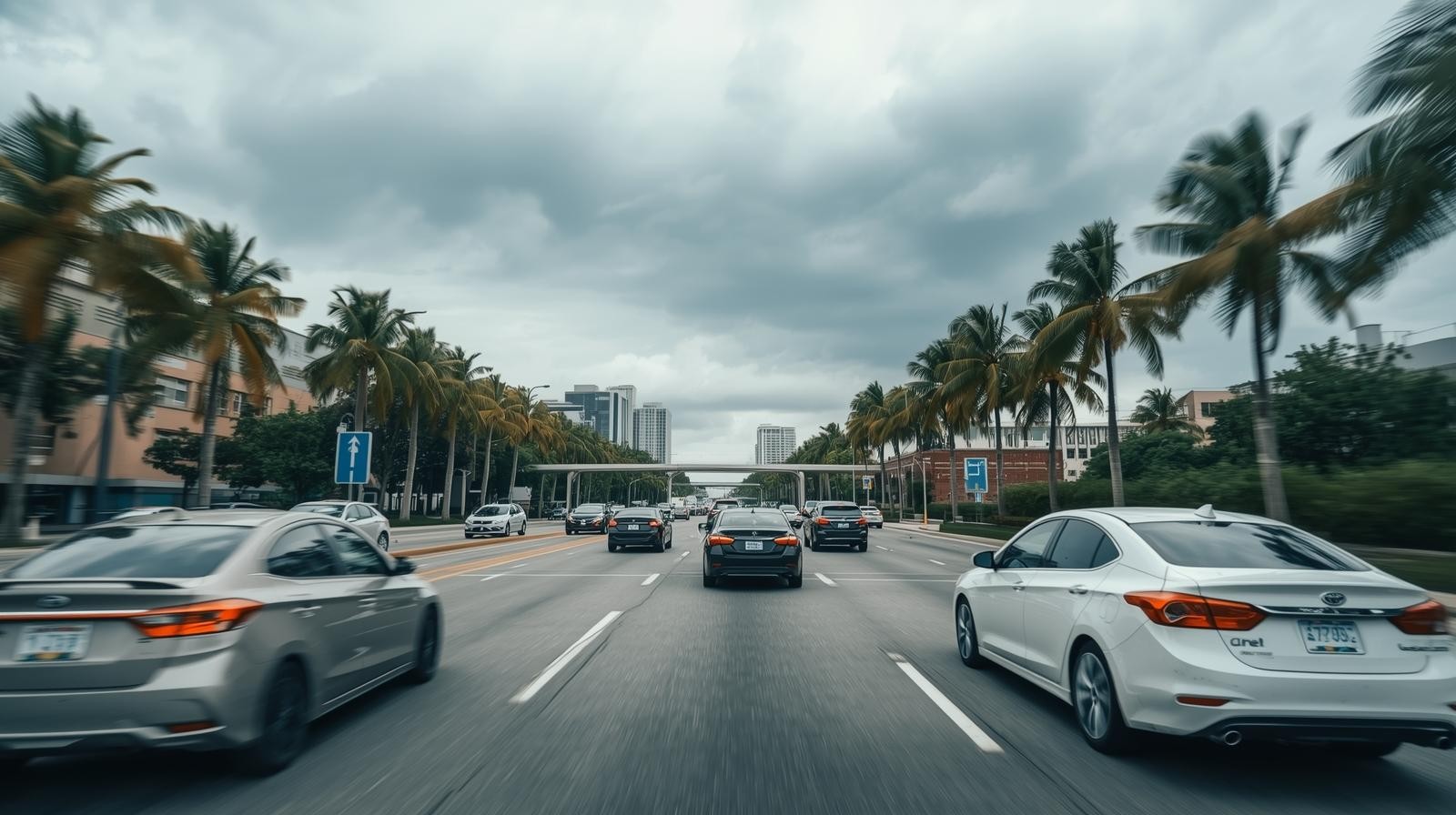
Miami has dense traffic and high congestion, increasing accident probability.
2. Uninsured Drivers
Florida has a significant percentage of uninsured motorists. Insurers must price this risk into premiums.
3. Fraud and Staged Accidents
Florida has historically faced personal injury protection (PIP) fraud and staged accident schemes, increasing claim costs.
4. Severe Weather Events
Flooding and hurricanes can cause vehicle damage, increasing comprehensive claims.
Does Your ZIP Code Affect Car Insurance?
Yes — significantly.
Insurance companies use ZIP codes to evaluate:
Theft rates
Accident frequency
Claim history
Population density
Certain Miami neighborhoods may see higher premiums due to historical claims data.
What Is the Minimum Car Insurance Required in Florida?
Florida requires:
$10,000 in Personal Injury Protection (PIP)
$10,000 in Property Damage Liability (PDL)
However, minimum coverage may not be sufficient in serious accidents. Many drivers choose higher liability limits and uninsured motorist coverage for better protection.
Is Full Coverage Required in Florida?
Full coverage is not required by state law. However, lenders typically require comprehensive and collision coverage if you finance or lease your vehicle.
Full coverage provides broader protection against:
Theft
Vandalism
Weather damage
At-fault accidents
How Can Miami Drivers Lower Car Insurance Premiums?
Drivers may reduce premiums by:
Maintaining a clean driving record
Increasing deductibles
Bundling home and auto insurance
Completing defensive driving courses
Shopping multiple carriers annually
Because pricing varies widely by insurer, comparing quotes can produce noticeable savings.
Is It Better to Use a Local Insurance Agent in Miami?
A local independent agent can compare multiple carriers rather than offering only one company’s rate. This approach may help drivers identify competitive options based on their specific ZIP code and risk profile.
Local agents also understand regional factors like flood exposure and uninsured driver rates that influence pricing.
Frequently Asked Questions About Car Insurance in Miami
Why is Florida car insurance more expensive than other states?
Florida’s high accident rates, uninsured drivers, fraud trends, and severe weather exposure contribute to higher premiums compared to many states.
Does hurricane damage cover my car?
Hurricane-related damage is typically covered under comprehensive coverage, not liability-only policies.
How quickly can I switch car insurance policies?
Drivers can often switch policies at any time, but coverage dates must align to avoid gaps.
Do I need uninsured motorist coverage in Florida?
Uninsured motorist coverage is not required but is strongly recommended due to the number of uninsured drivers in the state.
Can bundling home and auto insurance lower my premium?
Bundling policies may provide multi-policy discounts depending on the insurer.
Final Thoughts
Car insurance in Miami reflects the region’s risk environment. While premiums may be higher than average, drivers can take proactive steps to manage costs and ensure adequate protection.
Reviewing coverage annually and comparing multiple carriers can help identify competitive options tailored to Miami’s unique driving landscape.